
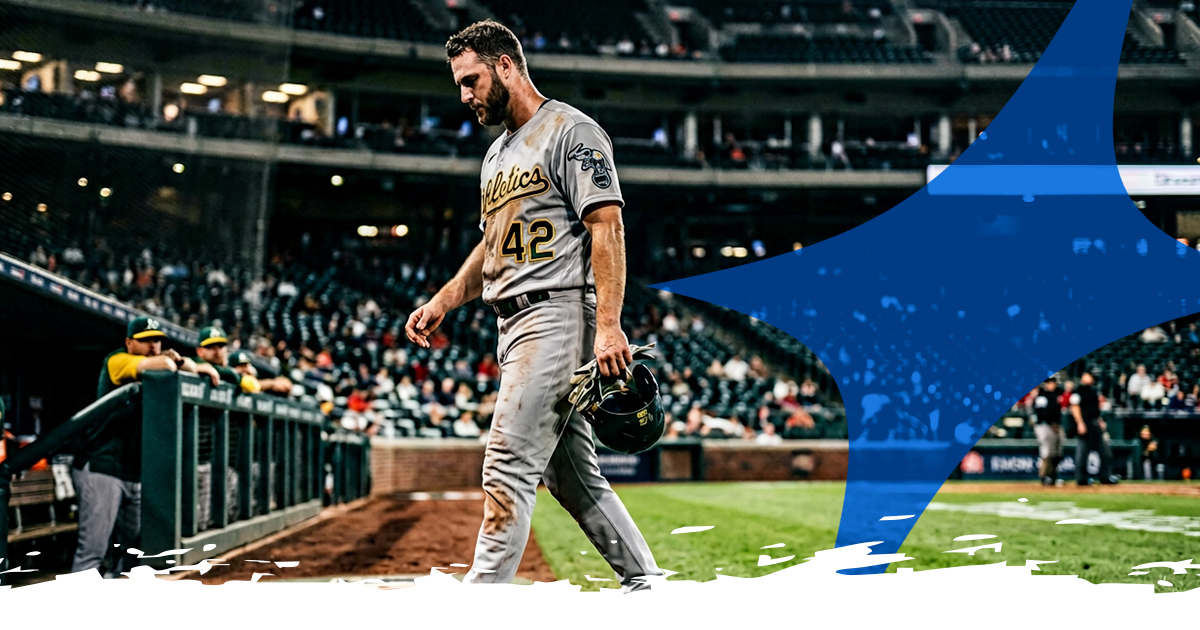
Career transitions aren’t a “maybe” for athletes. They’re a guaranteed part of the journey. Leaving the sport behind is a big moment, but knowing what to expect, and having a plan in your back pocket, can make the transition smoother. Make sure you and your young pro athlete are ready for the transition. Here are general considerations families may find helpful to be ready for the change.

- Budget, plan, and invest those paychecks: A strong financial safety net gives retiring pro athletes the time, security, and flexibility to explore new opportunities.
- Identify transferable skills: Discipline, goal-setting, leadership, teamwork, and resilience are valuable in many industries.
- Turn curiosity into career prep: Exploring hobbies, volunteer work, and side projects helps athletes discover passions, build skills, and make connections.
- Build a network: A strong support system of mentors, peers, and family helps your athlete navigate the transition from sports.
- Go back to school: College provides structure, skills, and a safe space to explore careers.
Before you say, “We’ll figure it out later…”
“Retirement” shows up early in pro sports. That leaves your child with a huge stretch of working life ahead.
But long training days, year-round schedules, and nonstop pressure don’t exactly leave room for résumés and internships. Most athletes have to shelve school or career plans just to keep up, and that means they enter life after sports a good chunk behind the average person who’s been steadily working or studying for years.
This is where your support makes a difference. Encouraging your athlete to explore different interests, try new activities, build friendships outside their sport, and reflect on who they are beyond the field can ease the transition later on.
Setting up a strong financial foundation to extend the transition runway
A strong financial foundation buys your young athlete time to prepare for what they might want to try after sports. Yes, landing that first pro contract can feel like hitting the jackpot. And it might be tempting to splurge on luxury cars, bigger houses, and designer clothes.
But money parked in a flashy car or pricey gadget doesn’t grow. Money invested wisely can, thanks to compound interest. That’s when your money earns interest, and then that interest earns interest, too. Over time, even small amounts can grow exponentially, turning today’s savings into a much bigger nest egg down the road.
For example*, $10,000 invested at 5% interest could grow to over $16,000 in 10 years just by letting the interest build on itself. Starting early gives their money more time to compound, making a huge difference for life after sports.
For a rookie athlete, this means:
- Freedom to take risks safely. With a solid financial foundation, they can try business ventures, education, or other interests without jeopardizing their long-term stability.
- Less pressure to “make it” immediately. Instead of feeling like every dollar must be spent or spent wisely in the moment, they can let smart investments work quietly in the background.
- More financial security. They’ll have a growing pool of savings to rely on when contracts end or unexpected expenses arise.
The goal is to make the athlete money last to help pad the transition away from pro-sports.
Identifying transferable skills
For many elite athletes, the sport has been the career for as long as they can remember. Training, competing, traveling, repeating, that rhythm becomes their normal. So when it’s time to think about a future off the field, it can feel overwhelming for them, almost like they’re starting from scratch.
But they’re not empty-handed and they’re definitely not starting from zero.
Your child has spent years developing skills that make former athletes stand out in almost any workplace. Discipline, teamwork, resilience, and leadership aren’t just for the game, they’re career superpowers waiting to be unleashed.
You can help them see how those strengths translate off the field by:
- Talking through wins: Highlight times they led, adapted, or pushed through challenges, and show how those moments can shine in a career, business, or side hustle.
- Testing new arenas: Encourage internships, volunteer projects, or side gigs where their skills can flex in fresh ways.
Recognizing and using these transferable skills boosts confidence, opens doors, and gives them a sense of purpose that lasts well beyond their playing days.
Exploring new interests to identify passions outside of sports
Hobbies, volunteer work, and side projects are more than just fun. They’re clues to what lights your athlete up outside the game. Once they start noticing what excites them, the next step is figuring out which skills turn that passion into something real. Then, they start building those skills. The earlier they explore interests and grow their network, the smoother the transition will be when sports eventually wind down.
Even while crushing it on the field, court, or rink, they can quietly stack skills that pay off later. Every connection, every project, every new experience outside sports is an investment in the next chapter of their life.
Here are a few questions to guide them:
- What do I genuinely enjoy?
- What am I naturally good at?
- What would I want to do outside of sports?
- How much income do I realistically need?
Their sports experience already opens doors most people don’t see. Maybe they move into coaching, physical therapy, team management, PR, or scouting. Or maybe they pivot into media, entertainment, or creative industries.
When passions and skills start clicking, hands-on experience is key. Volunteering, internships, or short-term projects give them a peek behind the curtain, help test the day-to-day reality, and confirm if this is something they could see themselves doing long-term.
Building a strong support system
Life after sports is smoother when your pro athlete knows they aren’t going through it alone. As a parent, you play a huge role in helping them build a strong support network. Ways to strengthen that network include:
- Connecting with mentors and counselors: Professional guidance in finance, career planning, or mental health is invaluable.
- Fostering friendships: Encourage relationships with peers who share similar experiences or values.
- Being emotionally present: Listening, validating feelings, and helping them process challenges is just as important as practical advice.
A well-rounded support system gives your retiring pro athlete resilience, perspective, and confidence as they adjust to a life after pro sports..
Developing an identity beyond sports
When your child has devoted their whole life to a sport, it’s completely natural for “athlete” to feel like the biggest part of their identity. That level of focus and commitment is a huge part of what got them to the pros. But it can also mean they’ve had fewer chances to explore other interests or discover the parts of themselves that live outside the game.
Helping them grow a fuller sense of identity now gives them more confidence and more options when their playing days shift into whatever comes next. Encourage self-reflection.Ask questions like, “What makes you proud besides sports?” or “What activities make you feel fulfilled?”
This broader sense of self will make life after sports less stressful and more meaningful.
College as a launchpad for life after sports
College can be more than just a degree. It can be a bridge from the world of pro sports to whatever comes next. The structured environment of classes, projects, and campus life replaces the rigid sports schedule while helping your athlete build new routines.
It’s also a chance to gain practical skills and credentials.
Degrees in fields like business, law, or communications, along with certificates or specialized training, open doors to careers that make use of both their brains and their experience.
Your athlete already has a toolbox full of transferable skills. Discipline, teamwork, goal-setting, and resilience aren’t just for the field. They translate perfectly to academics and careers like coaching, sports administration, business, or even entrepreneurship. College gives them a safe, structured space to test these skills while preparing for life after sports.
Success is where preparation and opportunity meet
Sports careers are short, but the lessons, skills, and work ethic they teach last a lifetime. You helped them reach the field. With your support and early preparation, they’re going to do great off the field, too.
*This example is for illustrative purposes only and does not represent actual investment Performance.
CRN202903-10600848