
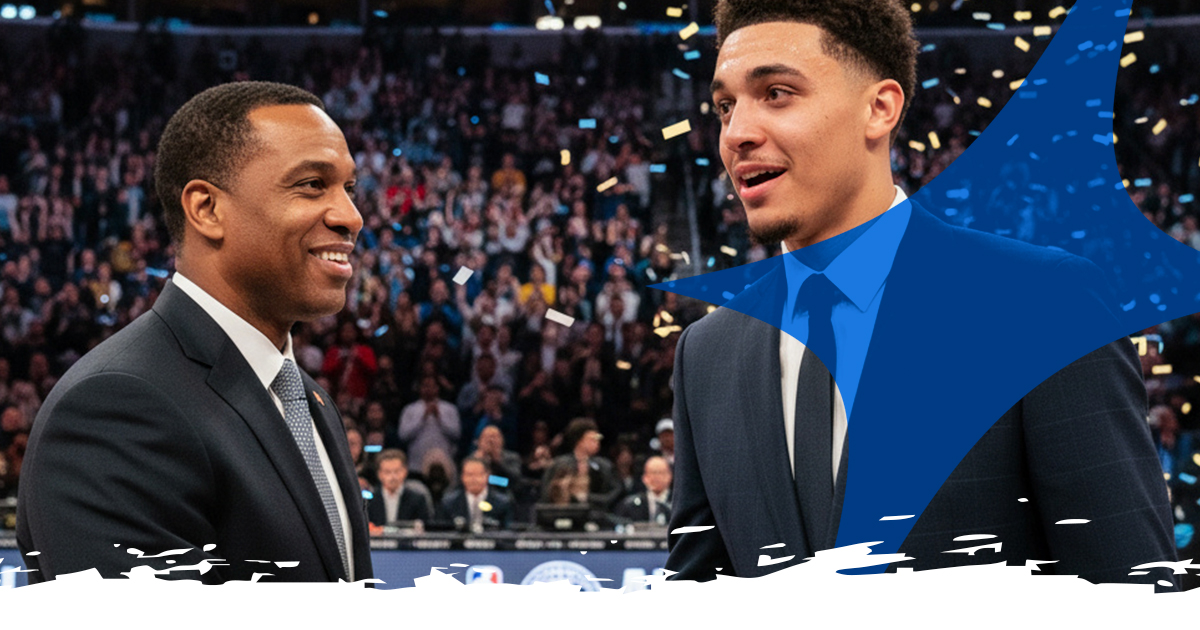
Congratulations! You’ve been drafted! Every hour spent grinding on fields, courts, and weight rooms is finally paying off. But with new social circles, new income, and new responsibilities, you’re also worried about what could go wrong. Here are seven mistakes to avoid so you don’t lose money after the draft.

- Budget before you splurge: Keep big splurges in check. Cars, homes, and flashy stuff can drain cash fast.
- Learn to say “no”: Helping family and friends is cool, but protect your own financial game first.
- Taxes hit hard, so plan early: Multi-state games, bonuses, and endorsements can wreck cash flow if you’re unprepared.
- Invest smart, not fast: Skip the hype and high-pressure pitches and get professional guidance before putting money on the line.
- Build a trusted financial team: Advisors, accountants, and wealth managers keep your money growing and protected while you focus on the game.
Mistake #1: Overspending on a lifestyle upgrade
The thrill of “making it” can make anyone feel like they’ve already won life’s lottery. It’s tempting to upgrade cars, homes, and wardrobes immediately. After all, this is the moment you’ve been grinding for since day one.
Example: You buy a luxury SUV on day one of signing without considering taxes, insurance, or future expenses. But cars aren’t investments. They lose value the second you drive them off the lot. Add taxes, insurance, maintenance, and registration, and that “dream ride” can quickly turn into a money pit.
Here’s the breakdown of why that “dream ride” can cost you:
- Taxes: Luxury vehicles often come with higher sales tax. Depending on the state, that can be thousands right off the top. Plus, a higher-value car can bump up property taxes in some areas.
- Insurance: High-end cars cost more to insure, especially for young athletes with a short driving history. Premiums can run hundreds, even thousands of dollars per month.
- Maintenance: Exotic or luxury vehicles often require specialized parts and service. Routine maintenance that’s cheap on a normal car can become shockingly expensive.
- Depreciation: Cars lose value fast, sometimes 20–30 percent in the first year. That means even if you sell it later, you’ll recoup far less than you paid.
So, when you add all that together, the car isn’t just a purchase. It becomes an ongoing expense that drains cash flow while offering no real return on investment.
How Apogee Professionals helps: We know you worked hard to become a pro athlete and we want you to enjoy your success. But, just like training off-season, it’s important to invest in your future first so you don’t fumble your finances later. Money tied up in a depreciating luxury car is money that may otherwise be available for longer-term planning options, such as trusts or retirement accounts, depending on individual circumstances.
Mistake #2: Playing financial Santa for everyone
When an athlete turns pro, family life can shift in ways you might not expect. Loved ones may turn to you for financial help, while others might push for access or influence. Saying “yes” every time can strain your finances and relationships.
Example: Cousins ask for a loan to start a business or a sibling wants a luxury gift.
Here are a few examples of how opening up your wallet to these kinds of requests can cost you:
- Cash flow crunch: Small loans or gifts add up, leaving less money for investments, savings, and essentials.
- Missed wealth-building opportunities: That money could grow in a retirement account, trust, or other long-term asset.
- Debt risk: Stretching to help others may force you to use credit cards or loans, which accrue interest fast.
- Lifestyle creep: Regularly funding requests can make your budget unpredictable, delaying your own goals.
- Relationship tension: Unmet expectations or unpaid loans can create long-term stress.
Helping everyone else shouldn’t bench your financial goals. Keep your focus on your own winning season.
How Apogee Professionals helps: Think of us as your financial coach. We’ll help you set clear boundaries so generosity doesn’t turn into a money fumble. When we map out your finances, we can then show the real impact of loans or gifts, and help create a playbook so your money grows.
Plus, we give you the words to say “no” respectfully. (Like, “Let me run this by my advisor first.” And, “I love you and want to see you succeed, but I need to focus on securing my own future first.”) With regular check-ins, we can keep your wealth-building on track so you can help loved ones without hurting your own financial future.
Mistake #3: Fumbling taxes
Rookie contracts often come with complex tax obligations. Missing payments or underestimating taxes can lead to penalties.
Example: You don’t set aside money for state and federal taxes, then owe tens of thousands at the end of the year.
Here are a few examples of how taxes can hit hard:
- Multi-state madness: Games in different states mean owing state taxes in multiple places. Missing any of them can create big fines.
- Federal surprises: Signing bonuses, endorsements, and appearance fees can bump you into higher tax brackets if not planned for.
- International complications: Playing overseas or having foreign income can trigger foreign tax obligations and tricky reporting rules.
- Cash flow chaos: Without planning, you could owe a huge tax bill at the end of the year, forcing last-minute withdrawals from savings or investments.
With the right planning and a professional team in place, you can stay ahead of taxes instead of scrambling at the last minute.
How Apogee Professionals helps: Pro athlete taxes aren’t just a “file once a year” situation. They can be complicated with multiple states, signing bonuses, endorsements, and even international income. But we’ve been in the game long enough to know the winning tax moves for every situation. We help coordinate planning considerations related to multi-state taxation, often in collaboration with qualified tax professionals. That way, you can be better prepared for potential tax obligations and focus on training and performance with greater confidence.
Mistake #4: Making poor investment decisions
High-pressure salespeople often target new athletes with “once-in-a-lifetime” investment opportunities. It’s easy to get caught up in the excitement and rush into investments without checking the facts or understanding the risks. And the high-pressure salespeople are banking on this.
Example: You invest in a friend’s startup without doing due diligence.
Here are some ways that making a bad investment decision can come back to bite you:
- Money at risk: Startups and high-return “hot” investments can fail completely, leaving you with big losses.
- Cash flow stress: Tying up large sums of money in risky ventures can leave less available for taxes, bills, or long-term planning.
- Opportunity cost: Money locked into risky deals isn’t growing in safer, wealth-building investments like trusts, retirement accounts, or diversified portfolios.
- Strained relationships: If friends or family are involved, bad investments can lead to tension or awkwardness.
- Regret and distraction: Bad investment choices can cause sleepless nights and take your focus off training and performance.
Slow down. Research, seek advice, and never invest in something you don’t fully understand.
How Apogee Professionals helps: We’re like an off-field financial coach, stepping in before any risky investment can trip you up. We can help you review and better understand investment opportunities, including discussing risks, assumptions, and how they may fit within a broader financial strategy.
We’ll then make sure the investment fits into your bigger long-term money plan. And if the “opportunity” is coming from friends or family, we can help you navigate conversations in the financial parts of your off-field life.
Mistake #5: Underestimating career length
Athletic careers can be shockingly short, sometimes shorter than a college degree. Rookie energy makes it easy to believe the big checks will keep rolling in for decades, but injuries, trades, competition, and shifting team needs can change everything. When athletes spend like the money will never slow down, they set themselves up for a rough transition later.
Example: A rookie spends freely for 5–6 years, only to face retirement in their 30s without enough savings.
How this plays out long-term:
- Income drop-offs: When the contract ends, so does the lifestyle budget, sometimes overnight.
- No savings cushion: Without long-term planning, there’s little left for housing, healthcare, or living expenses after retirement.
- Delayed goals: Buying a home, investing, or starting a business becomes much harder without a financial foundation.
- Pressure to return to work fast: You may feel forced into quick jobs or risky investments to replace income.
- Emotional stress: The identity shift of retirement hits harder when money is tight and options feel limited.
Planning early turns a short playing career into a long financial runway that will support you long after the final whistle.
How Apogee Professionals helps: We know a career in sports can be short-term. That’s why we build a long-term financial game plan beyond the season. We use financial modeling tools to project your earnings over time, map out future expenses, and show you what your money needs to look like after the league. We also stress-test your financial plan. (For example, what if you get injured? What if your next contract is smaller?) And we adjust your financial strategy to help you plan for the future.
Mistake #6: Neglecting insurance and estate planning
Injuries or unexpected events can be devastating without proper protection. One hit, one awkward landing, or one freak accident can change everything. And not just on the field, but financially. Without the right insurance and safety nets, a promising career can turn into a scramble to cover bills, medical costs, and a lifestyle built on income that suddenly stops.
Example: Let’s say you suffer a career-altering injury with no disability insurance in place. The contract wasn’t fully guaranteed, the endorsements dry up, and without income protection, you’re suddenly facing huge expenses with no backup plan.
Here are the ripple effects over time:
- Immediate income loss: If your contract isn’t guaranteed, your paycheck can shrink fast, or disappear entirely.
- Mounting medical bills: Rehab, specialists, surgeries, and long-term treatment pile up quickly.
- Lifestyle mismatch: Monthly expenses built for a pro-athlete salary become impossible to maintain.
- Savings drain: Without income protection, you’ll likely burn through savings to stay afloat.
- Stalled future plans: Buying a home, investing, or supporting family become much harder with limited income.
- Emotional fallout: The pressure of sudden financial strain can make recovery and transition even tougher.
With the right insurance and financial planning in place early, an unexpected setback becomes a challenge you’re fully prepared to overcome.
How Apogee Professionals helps: We help you make sure an injury doesn’t turn into a financial crisis. We look at the full picture, like contracts, income streams, lifestyle costs, and long-term goals. Then, we coordinate a plan that maps to your future goals. We turn a worst-case scenario into a manageable setback. One injury should never define your family’s financial future, and we’re here to support your journey.
Mistake #7: Skipping out on a trusted financial team
It’s tempting to rely on friends, family, or social media advice when you’re navigating new wealth, but that can backfire. Without a trusted team of professionals, rookie mistakes can multiply, and decisions that seem small today can have big consequences tomorrow.
Example: You act on a friend’s “hot stock tip” or a viral investment trend without getting guidance from a financial advisor, accountant, or wealth manager.
Here’s what can happen without a professional team in place:
- Big losses: Risky or hyped-up investments can tank, wiping out a chunk of your paycheck.
- Tax surprises: There’s actually a strategy to selling stock. Selling too soon or at the wrong time can create unexpected capital gains taxes. (Those are profits made from selling assets, and they are taxed at different rates depending on how long you owned the asset.)
- Cash flow strain: Money tied up in a bad investment isn’t available for bills, training expenses, or other essential investments.
- Missed long-term growth: Funds spent on trendy investments could have gone into safer, wealth-building vehicles like trusts or retirement accounts.
- Stress and distractions: Worrying about volatile investments can take focus away from performance on the field.
Having a trusted financial team in your corner turns hype-driven risks into smart, informed moves. It also helps keep your focus on the game while your money grows safely off the field.
How Apogee Professionals helps: We make sure you don’t act on a friend’s “hot stock tip” or a viral investment trend without guidance. We research the opportunity, assess the risks, and see how it fits into your overall financial strategy. It might not, and that’s OK. Acting on tips alone is a gamble. We’re here to help make sure that hype doesn’t trump strategy.
This article is for informational purposes only and is not intended as individualized investment, tax, or legal advice. Financial strategies and outcomes depend on individual circumstances.
CRN202903-10600675